The Unseen Power of Light: Why Your Stream Needs It
In the vast, competitive world of live streaming, captivating your audience isn't just about compelling content or a magnetic personality. It's often about something far more fundamental, yet frequently overlooked: light. Think about it – have you ever sat through a film with terrible cinematography, or struggled to focus on a dimly lit presenter? You might not consciously pinpoint the lighting as the problem, but a poorly lit scene instantly signals unprofessionalism, making your content harder to watch and easier to abandon. For Twitch streamers, YouTubers, and all content creators, investing in quality studio lighting for Twitch streamers isn't a luxury; it's a necessity for viewer retention and engagement.
Most of us take light for granted in our daily lives, only truly noticing it when it’s absent or glaringly bad. However, in the realm of video, light dictates everything from mood and clarity to perceived production value. Imagine a scene where you can barely distinguish the subject from the background, or where harsh shadows distort facial features and colors appear washed out or sickly. These are not minor inconveniences; they are significant barriers to viewer engagement. Good lighting, conversely, subtly enhances everything, making you look polished, professional, and approachable, keeping eyes glued to the screen.
From Unwatchable to Unforgettable: The Pitfalls of Poor Lighting
The journey from a casual streamer to a professional one often hinges on mastering the technical aspects that create a superior viewer experience. Among these, lighting stands paramount. Many aspiring streamers make the mistake of assuming that if they can see themselves clearly in their physical space, their webcam will capture it just fine. The reality, however, is often a harsh awakening.
Without proper studio lighting for Twitch streamers, your video feed can suffer from a litany of issues:
- Harsh Shadows: Unflattering shadows cast across your face or behind you can make you look tired, unapproachable, or even obscured. These visual distractions pull focus away from your message or gameplay.
- Wonky Color Rendition: Poor lighting can distort colors, making your skin tone appear unnatural, your branding less vibrant, and your environment look uninviting. Accurate color is crucial for a professional aesthetic.
- Grainy Footage: When cameras struggle in low-light conditions, they often compensate by increasing ISO sensitivity, leading to noisy, grainy footage that significantly reduces visual quality.
- Lack of Depth: Without strategic lighting, your stream can look flat and two-dimensional, failing to separate you from your background effectively. This makes the overall scene less dynamic and less engaging.
- Viewer Disengagement: The most significant consequence of bad lighting is its subtle yet powerful effect on your audience. Viewers might not consciously think, "This lighting is bad," but they will feel an unconscious urge to click away to a stream that is visually more appealing and easier on the eyes. Your content, no matter how brilliant, can't overcome visual discomfort.
Thankfully, achieving a professional look with proper lighting is far more accessible than many realize. It doesn't necessarily require breaking the bank or transforming your room into a Hollywood set. It simply requires understanding a few core principles and making smart choices in your Improve Your Twitch Stream with Essential Lighting Tips.
Demystifying Professional Lighting: The 3-Point System Explained
While artistic lighting can be subjective, there are established principles that professionals across film and television rely on to ensure subjects are always seen clearly and flatteringly. For studio lighting for Twitch streamers, the gold standard is the 3-point lighting system. You've undoubtedly seen it in countless interviews, news broadcasts, and online videos; it's the technique that makes subjects look naturally illuminated and separated from their surroundings without drawing attention to the lights themselves. For an in-depth guide on mastering this technique, check out our article on Master 3-Point Lighting for Professional Twitch Streams.
The 3-point lighting system comprises three distinct light sources, each serving a crucial role:
The Key Light
The key light is your primary and most powerful light source. It's responsible for illuminating the main subject – you, the streamer – and sets the overall tone and brightness for your scene. Typically placed at a 45-degree angle to one side of your camera and slightly above eye level, the key light provides the dominant illumination, creating definition and drawing attention to your features. If you're starting with just one light, this is the one to prioritize. Common choices for key lights in a streaming setup include:
- LED Panels: Versatile and often color-adjustable, offering strong, directional light.
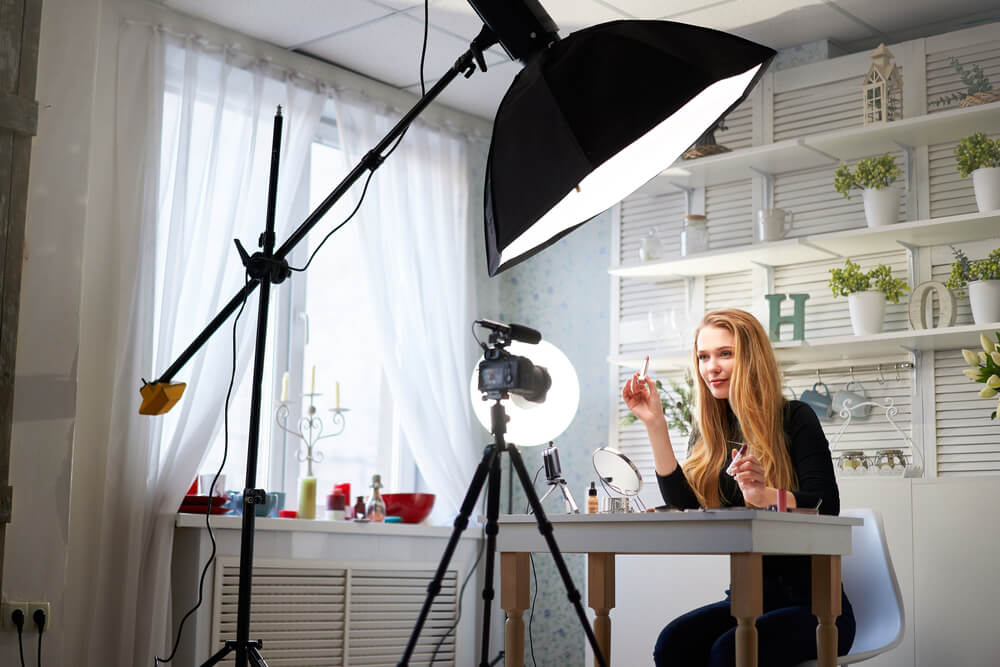
- Softboxes: Provide a softer, more diffused light, reducing harsh shadows.
- Ring Lights: Excellent for direct, even facial illumination, often placed around the camera lens.
The Fill Light
Positioned on the opposite side of your camera from the key light, the fill light's purpose is to soften the shadows created by the key light. It should be less intense than your key light, ensuring that definition remains but harsh shadows are minimized. The fill light prevents one side of your face from being too dark, creating a more balanced and flattering appearance. You can achieve this by using a less powerful light, dimming your second light source, or even using a reflector to bounce some of the key light back onto the shadowed side of your face.
The Back Light (or Hair Light)
The back light is placed behind your subject, often higher up and angled towards your shoulders or head. Its function is to create a subtle rim of light around your outline, separating you from your background. This adds depth and dimension to your stream, preventing you from blending into the backdrop and making your image pop. A well-placed back light can dramatically elevate the professional look of your studio lighting for Twitch streamers setup, giving your stream a polished, high-production value feel.
Beyond the Basics: Setting Up Your Ideal Streaming Environment
While the 3-point system is foundational, optimizing your studio lighting for Twitch streamers involves more than just three lights. Consider these additional factors:
- Color Temperature: Lights come in different color temperatures, measured in Kelvins (K). Cooler temperatures (5000K-6500K) mimic daylight, while warmer temperatures (2700K-3200K) create a cozier, incandescent feel. Matching your lights or choosing a consistent temperature prevents color clashes and ensures natural skin tones. Many modern LED lights offer adjustable color temperatures.
- Diffusion: Hard light creates sharp shadows, while soft, diffused light creates gentler, more flattering shadows. Using softboxes, diffusers, or even a simple white sheet in front of your lights can transform harsh light into a professional glow.
- Background Lighting: Don't forget your background! Adding accent lights, LED strips, or even practical lamps to your set can add visual interest, depth, and personality to your stream, further enhancing the overall aesthetic. This also helps with the separation created by your backlight.
- Controlling Ambient Light: Natural light from windows can be inconsistent. While it can be a great source, it's often best to control it by using blinds or curtains, especially for consistent streaming schedules. Overhead room lights can also create unflattering shadows, so consider turning them off or dimming them if they conflict with your dedicated stream lights.
- Placement and Angles: Experiment with light placement. Small adjustments in height and angle can make a huge difference in how shadows fall and how you appear on camera. Aim for flattering angles that sculpt your face rather than flattening it.
Investing in Your Audience: The ROI of Good Lighting
Ultimately, investing in proper studio lighting for Twitch streamers is an investment in your audience and your brand. It’s about creating a comfortable, visually appealing environment that encourages viewers to stay longer, engage more deeply, and return repeatedly. Good lighting doesn't just make you look better; it elevates the perceived quality of your entire production, conveying professionalism and dedication. In a crowded marketplace, where attention spans are fleeting, high-quality visuals are no longer a bonus – they are a baseline expectation. By mastering your lighting, you're not just improving your stream; you're building a stronger connection with your community and setting yourself up for long-term success.